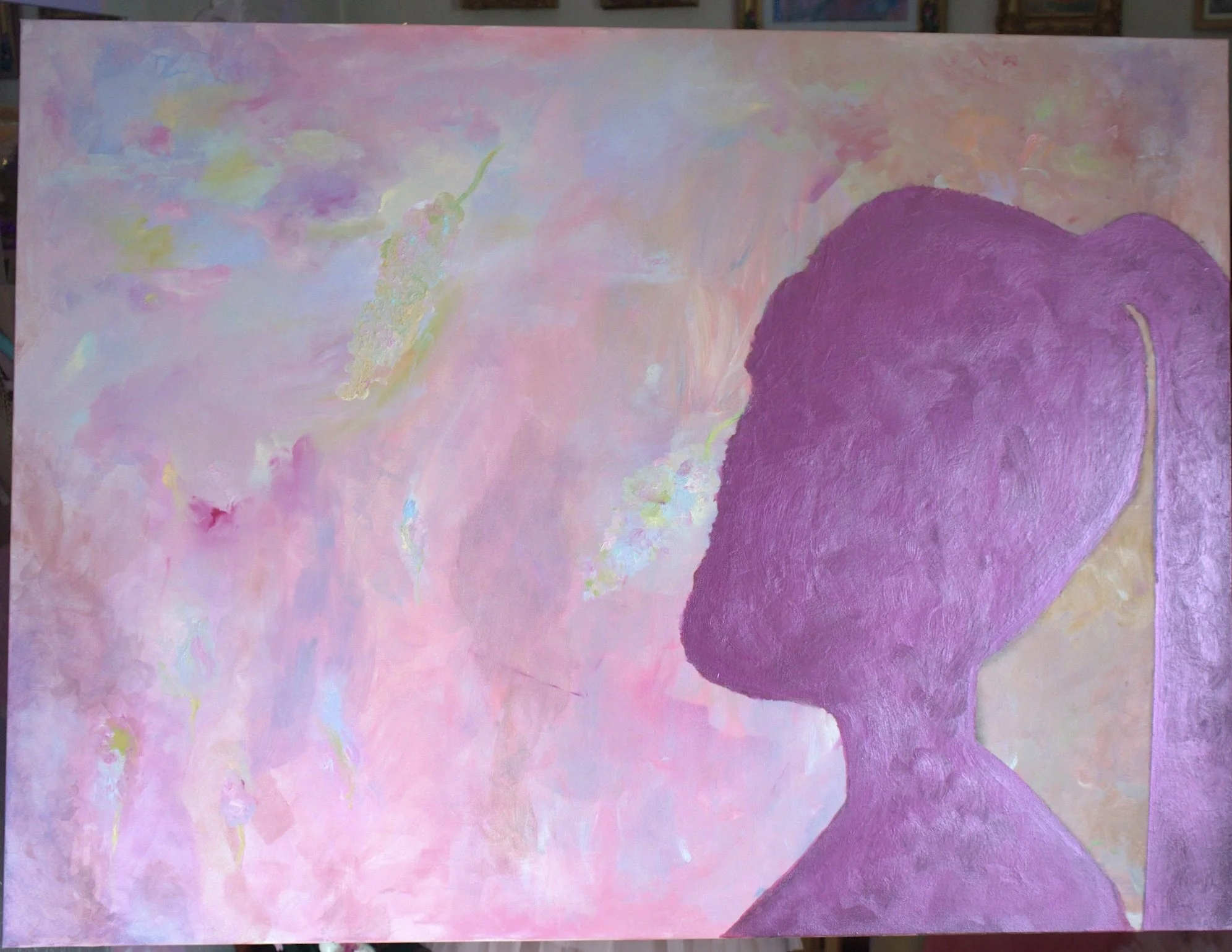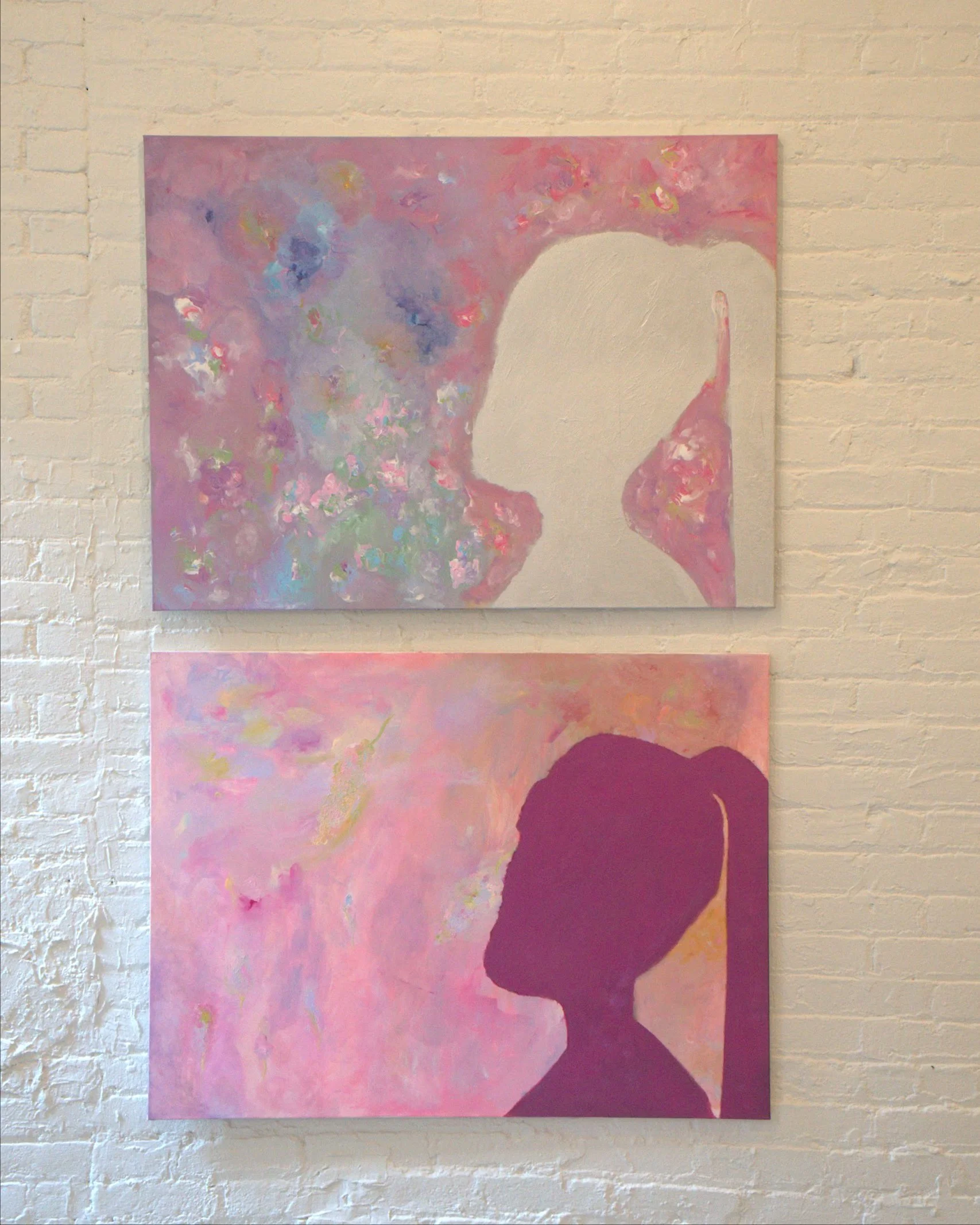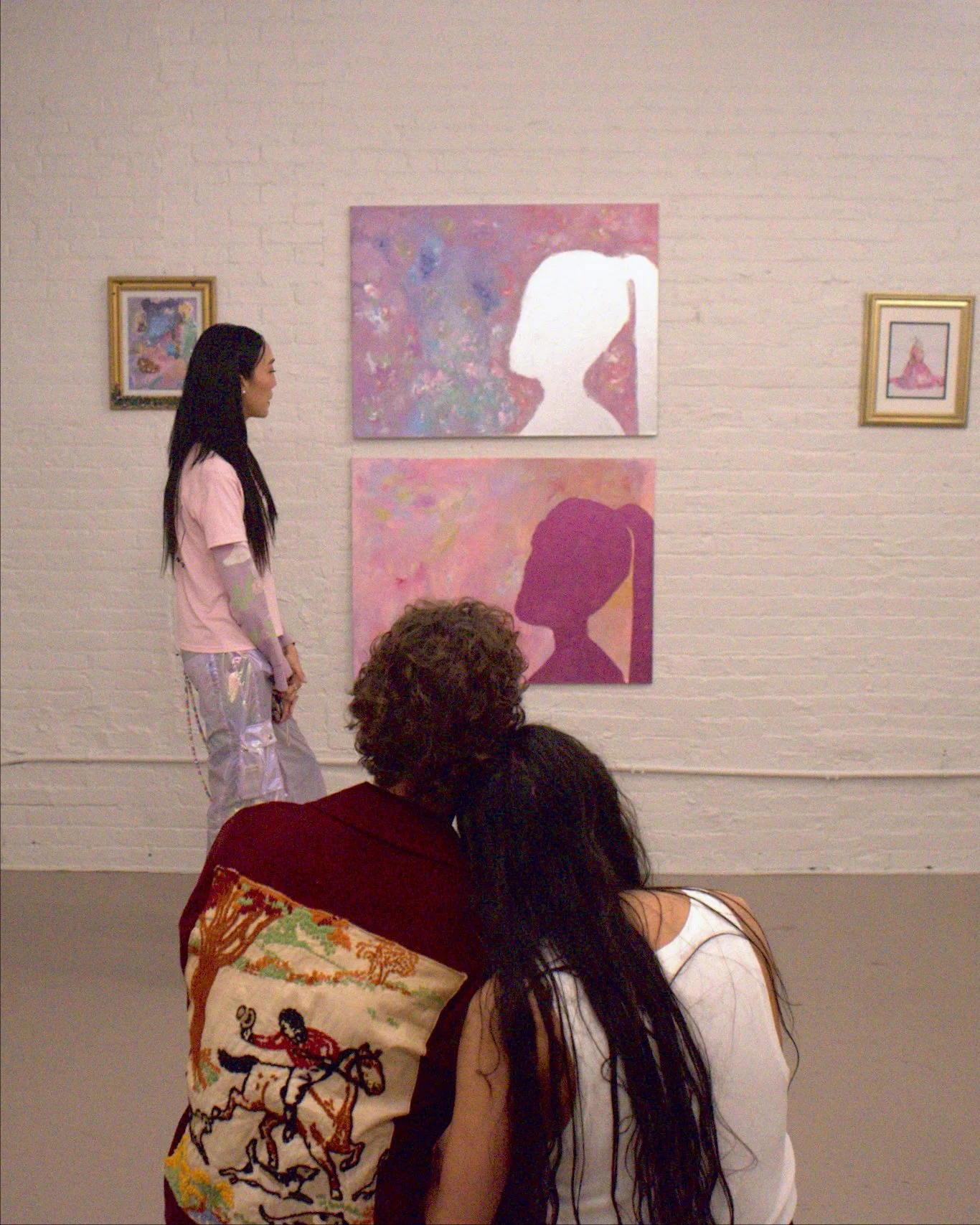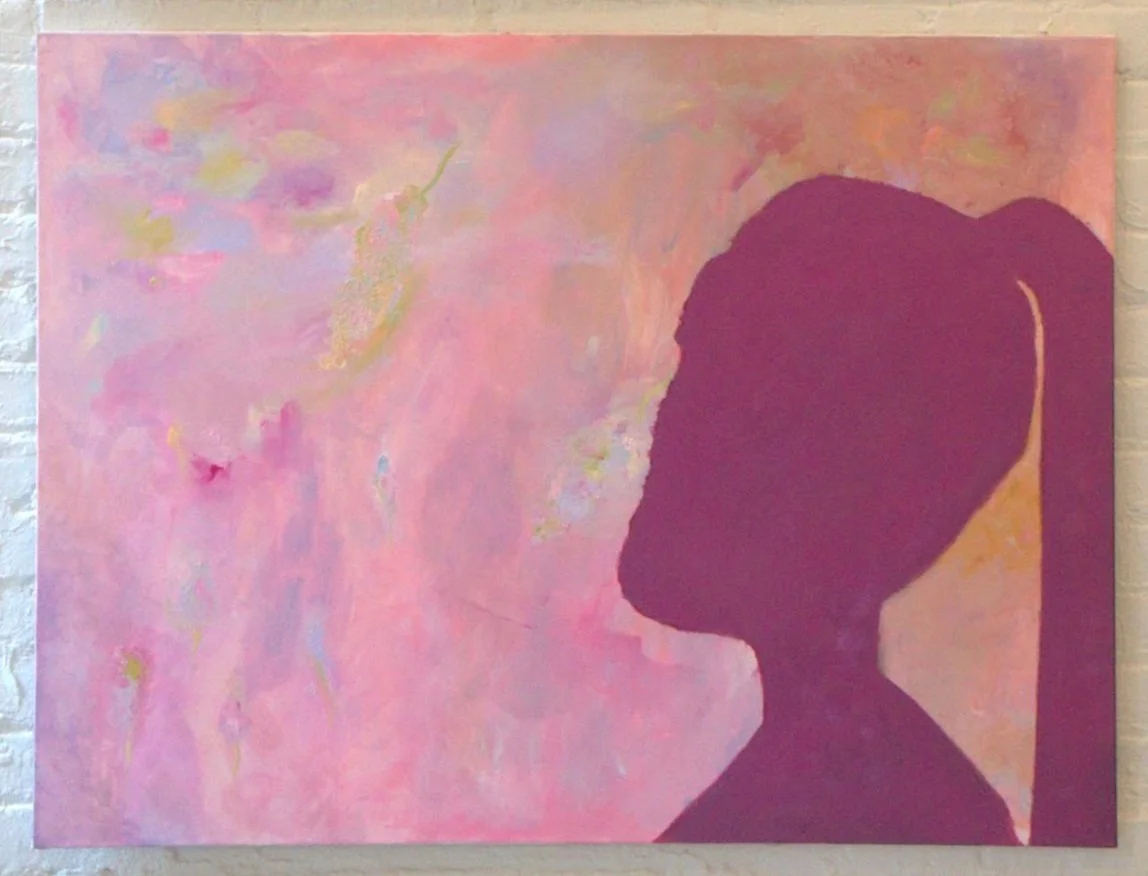
“BARBINIQUE II: Shadow of the Dolls”
$ 3,750.00
2023
24” x 36”
Acrylic, Oil, Wax, and Spray Paint on Canvas
The diptych is an artistic portrayal of transgender identity through exploration of the medium used which are of “trans experience” themselves. Barbinique I uses acrylic paint mixed with different mediums in order to achieve a look of oil paints and Barbinique II uses oil paint with various mediums to have an acrylic like finish. This process reflects the idea of shaping and crafting their own sense of self, similar to the transgender experience. Barbinique presents the parallels of the experience of trans women who call themselves “dolls”, acknowledging and playing with the way trans women are often seen – as things. As objects rather than subjects, but also the blind spot of the cis gaze. The piece acknowledges that trans women are reclaiming and redefining their own identities, particularly if they have faced challenges related to self-acceptance or societal expectations.
A doll is a shape of a woman, a plastic and perfect woman, it is also the word that trans girls use as a reckoning to the standards that they are held to and as a way to claim themselves as this ideal. In the paintings, instead of a silhouette, the doll is a shadow, pointing out the trials and tribulations of identifying as a “doll” often brings. The gesture of trans girls calling each other “dolls” goes all the way back to ballroom culture, coined by black trans women. The portrayal of a transgender body as a “doll” on Barbinique further pushes the message of the piece symbolizing the transformation and self-expression in an artistic and poetic manner. The taxonomy of a doll according to Mckenzie Wark, a transgender contemporary media theorist and cultural critic is that “All dolls are trans women, but not all trans women are dolls. The dolls are more likely to be sex workers, to be nightlife people, to work a high-femme style, and to be trans women of color.” Some trans communities use the term “dolls” to create a sense of unity and camaraderie among members. It can serve as an inclusive and affirming term within these communities. It’s important to note that the use of the term “dolls” is a personal choice, and not all transgender individuals may resonate with it. Language and identity are deeply personal, and people choose words that best reflect their own experiences and feelings. The pastel colored abstract background of the piece creates an aesthetic ecology that brings people in and allows them to bask in and nurture each other through the feminine desire to play.