FUTURE RUINS
FUTURE RUINS
KUBLI - FUTURE RUINS Sculpture (2023)
As the artist unravels the layers of each ruin, an intricate story unfolds—a narrative of resilience, resistance, and the cyclical nature of history. The colonial imprints on the structures echo the erasure of indigenous and transgender identities, further emphasizing the interconnected struggles against oppressive systems. The patriarchal structures, manifested in the decay of these envisioned ruins, serve as a powerful commentary on the enduring societal norms that have perpetuated gender inequalities.
KUBLI - FUTURE RUINS
(2023)
72” x 48”
Brooklyn, NY
Oil Painted Print on Canvas
72”x55.153”
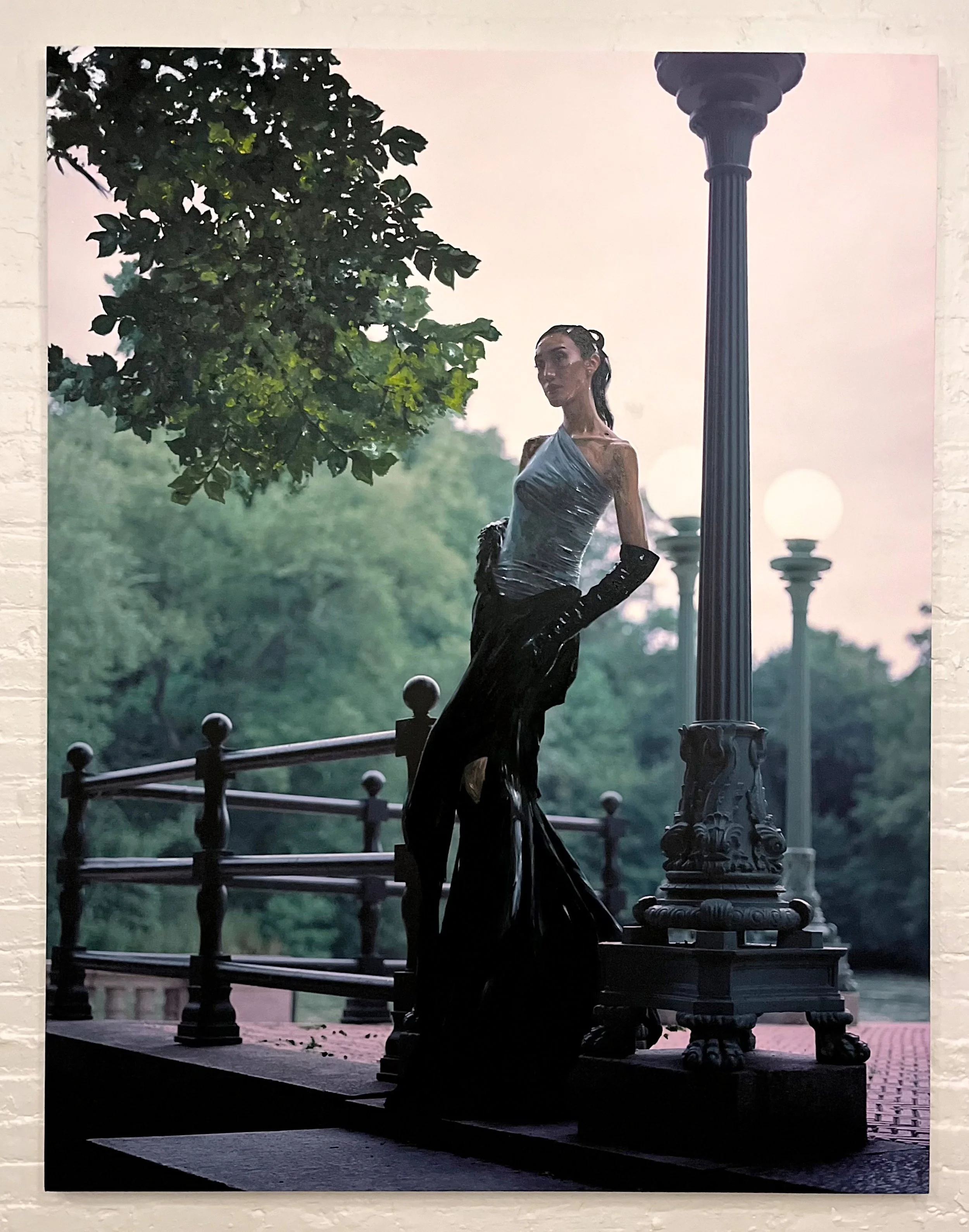
Photographs in this series were made in collaboration with William Thaggard
In the vibrant canon of Filipino art, "Kubli" stands as a beacon, drawing its name from the Tagalog word that signifies to be hidden away or kept out of sight. Beyond its linguistic roots, this evocative artwork transcends mere representation; it serves as a profound exploration of the queer experience in the 21st century, intricately woven with the artist's personal narrative of navigating the complexities of existing primarily within private spaces. "Kubli" invites viewers to navigate the dual emotions of being seen while one's truth remains concealed—an intimate journey that reflects the artist's own trans experience.
As "Kubli" takes its place in the Filipino art canon, the work is harnessing the power of self-portraiture to reimagine a life where trans bodies were included in various art movements dating back to the renaissance period, and depicts how this would have lent a more kaleidoscopic view of what the LGBTQIA+ community could look like today. Creating art that resembles the renaissance style of hellenistic Greek sculptures, the artist fashions herself in draped materials that mimic the patina effect, which is an effect that happens when the surface of bronze or similar metals turn to a green or brown film produced by oxidation over a long period. This suggests the existence of having been created centuries from now. Kubli makes an impression of The Statue of Liberty which has the ability to mean different things to different people at different times. As a Filipino immigrant of transgender experience, the artist highlights the historical bias toward non-white immigrants through this piece.
KUBLI - FUTURE RUINS
Digital Sculpture
(2023)
Digital Sculpture in collaboration with Zel Downey
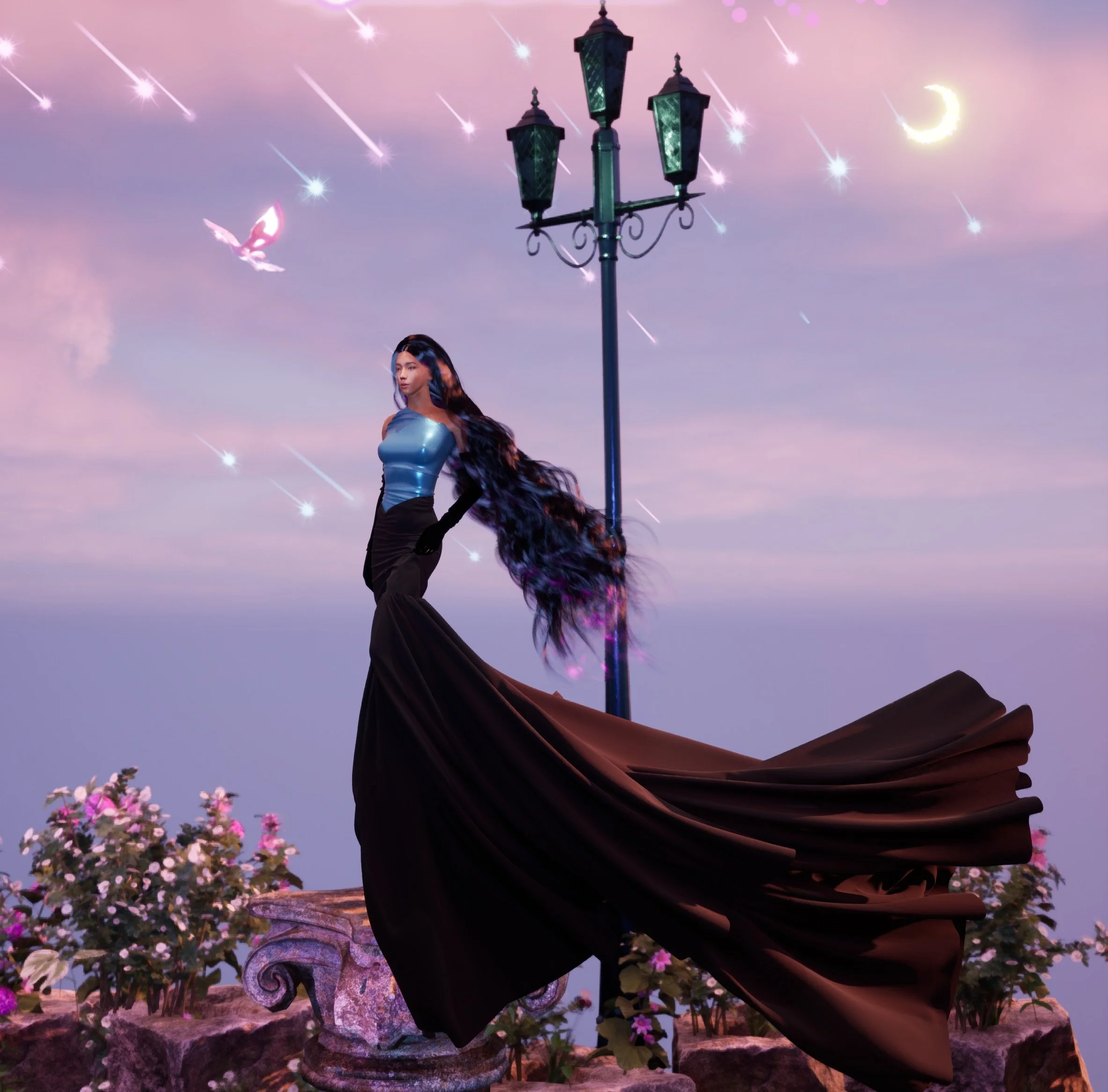
Kubli transcends conventional artistic mediums, seamlessly integrating into the digital domain, thereby becoming a dynamic manifestation of the artist's vision situated within an ever-evolving space. Through the power of self-portraiture, Kubli reimagines a narrative where trans bodies seamlessly integrate into various art movements, dating back to the Renaissance. This creates a kaleidoscopic view of what the LGBTQIA+ community could represent today.
In the grand tapestry of art history in relation to the proliferation of digital art, Kubli emerges as a transformative gesture—a living sculpture that marks a moment in time. This artistic creation serves as a rupture, challenging traditional notions of self-expression. By sharing her lived experience, the artist becomes an active participant in ushering in a renaissance—a rebirth of perspectives and narratives that redefine societal norms and amplify the visibility of the transgender experience.
KUBLI - FUTURE RUINS
Sculpture
(2023)
Ceramic sculpture
11”x 13”
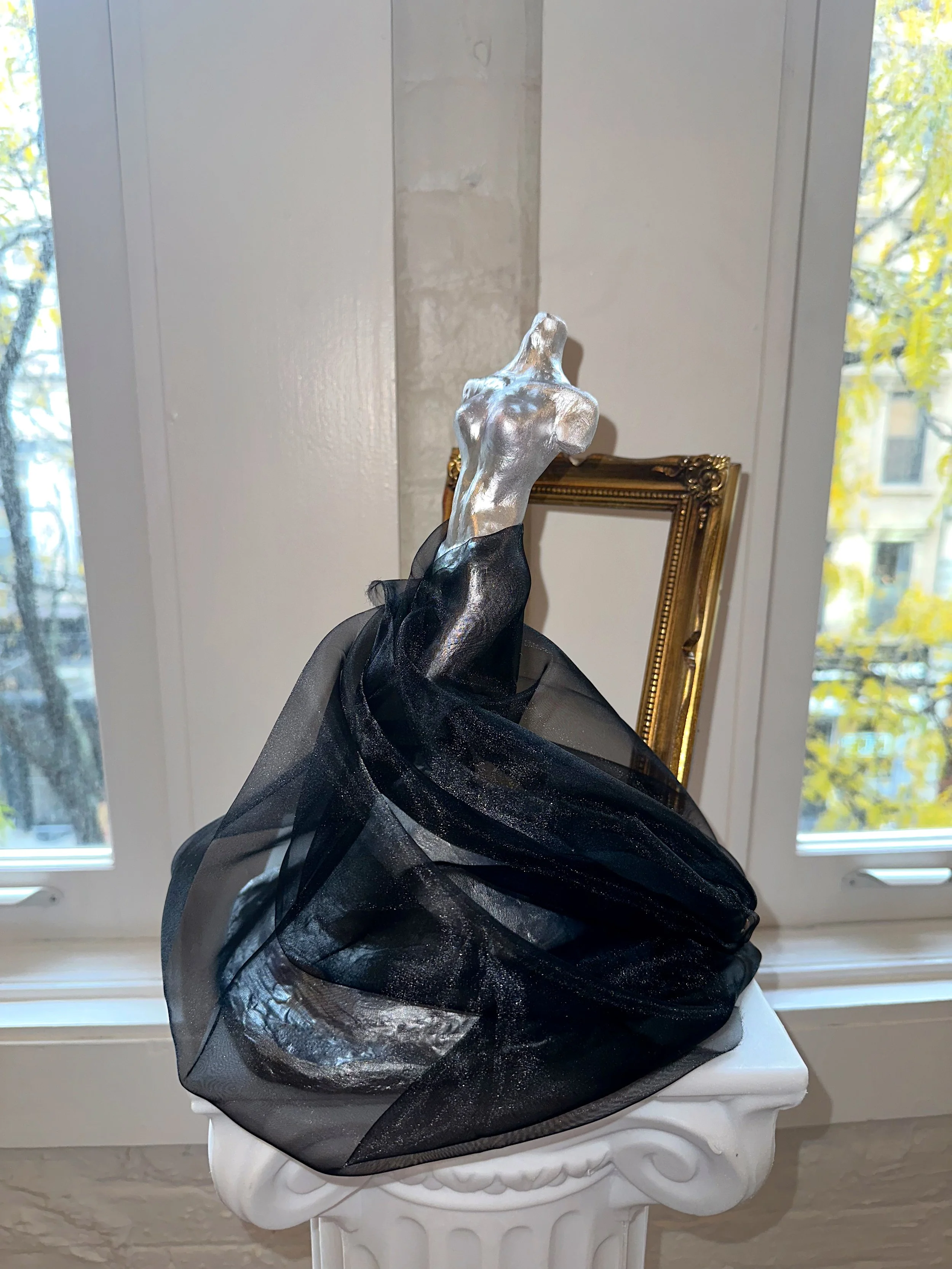
In the extension of the painted work, Kubli, a ceramic sculpture emerges as a poignant reinterpretation of The Statue of Liberty, employing silver as its material composition. This deliberate departure from the traditional copper used when the Statue of Liberty was made conveys a profound artistic intention, transforming the sculpture into a vessel that transcends temporal boundaries—a representation from the future that traversed through the annals of time.
The Statue of Liberty, celebrated for its multifaceted symbolism, extends beyond conventional notions of freedom and liberty. The silver medium, chosen with meticulous consideration, imbues the sculpture with an otherworldly aura, emphasizing its futuristic origin. In a departure from historical renderings, this piece invites viewers to contemplate a narrative wherein the sculpture originates from a future era, weaving a narrative that transcends the confines of the present moment.
Amidst the historical influx of European immigrants, Lady Liberty stood as an emblem of hope and opportunity. The artist, a Filipino immigrant of transgender experience, utilizes this silver iteration to underscore a critical perspective on historical biases toward non-white immigrants. By crafting this sculpture as a relic from the future, the artist prompts a reconsideration of immigration narratives, inviting contemplation on identity, opportunity, and belonging across temporal dimensions.